THERAPY IN EAST LANSING & ONLINE ACROSS MICHIGAN
Understanding yourself is where change begins.
Licensed Marriage and Family Therapist offering therapy for individuals & couples and supervision for LLMFTs pursuing licensure and clinical consultation.
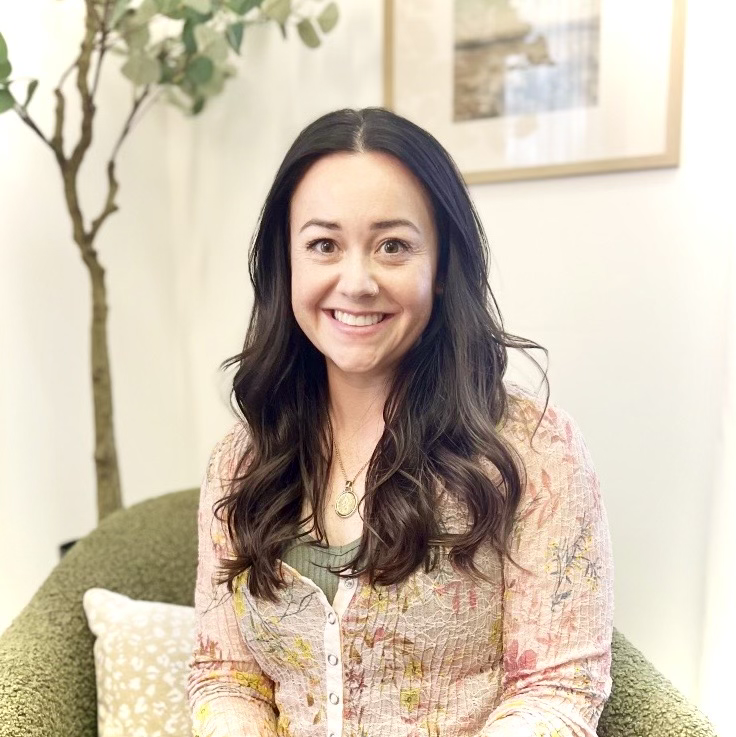
Hi, I’m Amy.
I help people understand their experiences, both past and present, so they can move through unhelpful patterns with greater clarity & confidence.
Northwestern University
EDUCATION
10+ years in practice
EXPERIENCE
Licensed Marriage & Family Therapist
CREDENTIAL
EFT & CBT
TRAINING
Systems & Attachment Theory
FRAMEWORK
Michigan LLMFT Supervisor
SUPERVISION
THERAPY FOR ADULTS & COUPLES
Clinical depth.
Human conversation.
Evidence-based therapy grounded in systems thinking & attachment science.
EAST LANSING THERAPIST JOBS
Campbell Therapy.
Practice with purpose.
Meaningful work in a supportive & thoughtfully designed space.
MICHIGAN LLMFT SUPERVISION
Work toward licensure.
Grow with support.
Systems-oriented supervision for strengthening clinical judgment & navigating licensure.
Therapy for anxiety, depression, relationships, trauma, life transitions, disordered eating & more.
FOUNDER OF CAMPBELL THERAPY COLLECTIVE
Meet the team.
In 2017, I founded Campbell Therapy — an East Lansing group practice offering in-person and online care for adults, college students, children, teens, couples & families.

PLANNING TO USE INSURANCE?
You’re covered.
In-network with most major insurance plans.